Straight Edge Contractors

Blog / Straight Edge Contractors Service

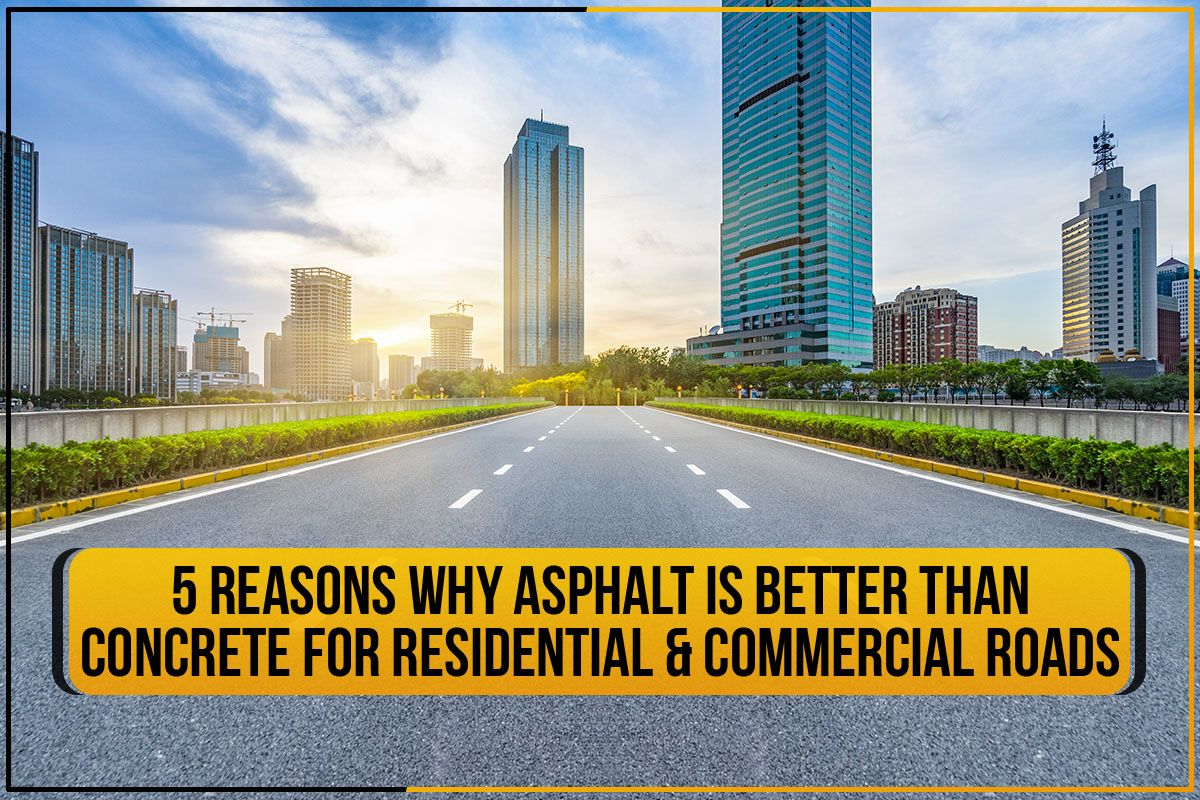
5 Reasons Why Asphalt Is Better Than Concrete For Residential & Commercial Roads

5 Reasons Why Asphalt Is Better Than Concrete For Residential & Commercial Roads

A paving project is a big deal simply because of the massive investment that goes into it. However, achieving that return on your investment is only possible if everything is done right. This also includes choosing the right material.

Do you want to get a road paved? Are you confused about which paving material to use? Is this the first time you are investing in a paving project? Straight Edge Contractors offers professional paving and maintenance services in Midland, TXClick here to get a free estimate.

Many people think that asphalt is generally a better choice than concrete when making a road. You can make your assessments about whether asphalt is the right choice for your road by going through the five reasons explained below.

Cost

Asphalt paving is much more economical than concrete. Concrete installation takes more time and effort. On the other hand, asphalt is more malleable, so asphalt roads take less time to be paved.

Also, most of the asphalt material used in constructing a road can be reused when it’s time for repaving. This help cut down the raw material cost for future repaving projects.

Cold

Extreme cold is terrible for pavement assets—the frost and snow cause lasting damage to the roads, resulting in cracks. Concrete is more badly affected by cold than asphalt. Asphalt tends to fare better in the cold.

While snow doesn’t have much effect on the concrete, lower temperatures cause contraction and expansions in the pavement. Thus, asphalt roads are more common in colder regions.

Also, though damaging for pavement, salt is a common deicer used to melt the snow and ice that forms a layer on roads in winter. Salt damages concrete more than it harms asphalt.

Maintenance

Asphalt roads, unlike concrete, do not need to be paved from the ground up. Asphalt pavement is made up of three layers – sub-base, base, and surface layer. The two lower layers are mostly considered permanent. They are less likely to get damaged, which is why mostly only the top layer is resurfaced, which costs less than repaving the whole road.

While asphalt requires more maintenance, the work done on it, like seal coating, can extend its pavement life.

Appearance

A road undergoes rough use. Day in and day out, it has to endure rust, gas drips, and engine oil leaks. The charcoal black or gray of asphalt is not easily stained.

Its matte dark surface covers up almost all types of stains. On the other hand, the muted gray of the concrete has high susceptibility to stains, which takes a toll on its appearance, requiring more aggressive cleaning and degreasing.

Safety

Asphalt roads offer greater safety to drivers than concrete roads. Asphalt provides better traction between the surface and the car tires. Thus, it has better skid resistance in winters when the ground is covered by snow and frost.

Therefore, the chances of drivers getting into an accident are generally lesser on asphalt road as compared to concrete roads. On concrete roads, traction has to be created by making a pattern when the concrete is still workable. At the same time, asphalt generally allows tires a better grip and drive.

While both paving materials have their benefits, asphalt is generally more preferable for paving around the world in both residential and commercial projects due to its durability, cost-effectiveness, and overall functionality.

If you want to get an asphalt surface paved or need a reliable firm to carry out regular maintenance work in Midland, TX, and other cities in Texas and Arizona, contact Straight Edge Contractors or click here to get a free estimate.
Posted in:

Related Posts

Concrete Conundrum - Protecting your patio & driveway from the cold

Concrete Conundrum: Protecting Your Patio & Driveway From The Cold

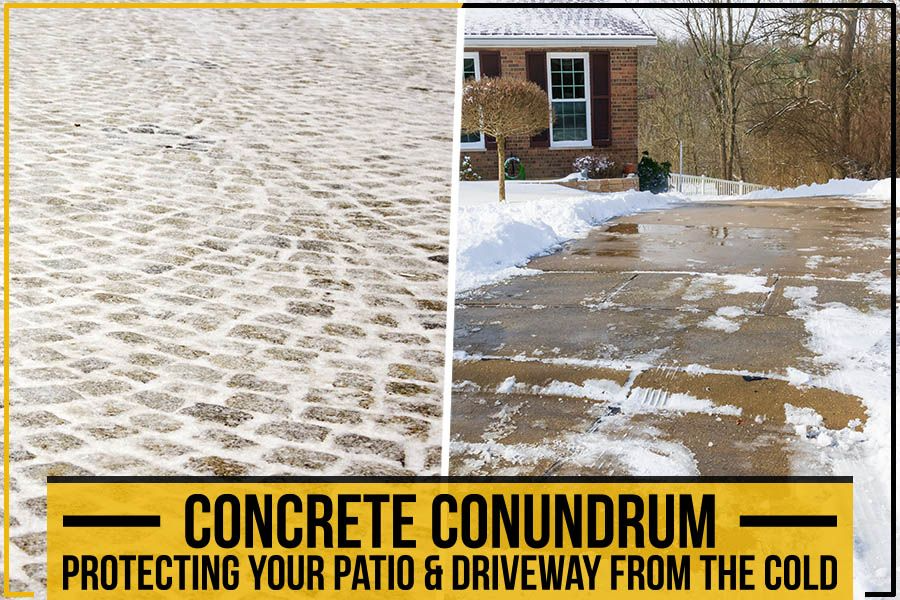
The first snow of the year is one of those moments that you know you’re going to enjoy. The kids are finally home from school, and they’re happy as can be! This sounds great, but anyone with a driveway or patio knows how quickly ice and snow can build up on these surfaces in northern climates. So, what do you do when your pavement is at risk of damage due to heavy snow? Protecting your patio and driveway from the cold can be a challenge. As we’ve seen in winter, snow and ice can make it difficult to shovel. Here are three ways to can protect our patios and driveways from the cold. 1) Remove Stills and Oil Stains What can you do to protect your patio and driveway from the cold? Remove stills, oil stains, grease spills, or other contaminants. These will freeze during a frosty night and ultimately damage surfaces when they melt again in springtime. Oil stains and grease spills can also cause your tires to skid when driving over them. Be sure to remove any stains before the weather gets too cold outside. If left to their elements, the untreated stains can wreak havoc on your pavement’s foundation, especially if they go through the freeze-thaw cycle. 2) Seal your Driveway If you haven’t seal coated the driveway in the last two years or so, now is the time to think about it seriously! Sealing the driveway before the winter will not only make your driveway last longer but also protect it from freeze-thaw damage. Hire a professional contractor like Straight Edge Contractors for the best results. A quality sealer will be impervious to water as compared to other coatings that are less durable. You’ll want to apply an additional layer of coating for maximum protection against ice formation on your driveway surface. This is especially important if there’s a good chance of an early frost before year-end. 3) Remember to Clear Snow During Winters Once the winter sets in, you need to be on your toes at all times. Clear the accumulated snow as the weather settles and ensure your driveway is not inaccessible due to heaps of snow. Also, keep your sidewalk and patio free of any snow accumulation. 4) Clear All Patio Furniture and Accessories Winter is not the time to hang out outdoors. So, bring all your patio furniture and accessories indoors. This will protect them from damage from the harsh winter elements. If you’ve got a central heating location customized to brave the winter season, you need to ensure the snow and the weather do not damage it! Your concrete and asphalt surfaces are at risk during the winter season in El Paso. Take action now and call Straight Edge Contractors for a winter maintenance routine. We ensure that your pavement and patio are able to withstand the harsh cold, and customers can visit you without the risk of an accident. Get an estimate from our team now! Schedule Your Free Estimate!

Why Seal Coating Doesn’t Cure Properly

Why Seal Coating Doesn’t Cure Properly

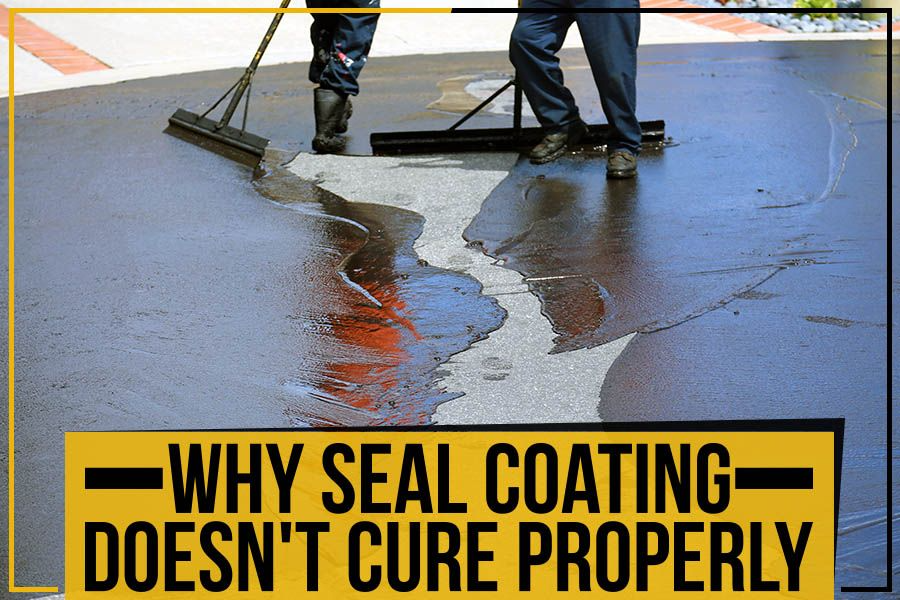
Sealcoating is an essential component of routine maintenance of asphalt driveways. It creates a barrier between the pavement surface and the factors that can damage it, like rain, snow, ice, and UV rays. Several seal coat products are on the market, but not all work as advertised. In some cases, a seal coat will fail to cure correctly, leading to severe problems down the road. If you’re considering seal coating your driveway, it’s essential to research and find a product that will give you the best results. This blog post by Straight Edge Contractors LLC discusses why a seal coat may not cure properly. Common Mistakes: The seal coating procedure demands patience and meticulousness. But even if you follow all the instructions to a T, things can still go wrong. Here are a few frequently made blunders by homeowners when applying a seal coat to their roadways: Applying the sealant too thick or too thin Not allowing enough time for the sealant to dry Seal coating in direct sunlight The Required Time and Temperature: A seal coat should be applied when the temperature is between 60 and 90 degrees Fahrenheit. If it’s too cold, the seal coat won’t cure properly. If it’s too hot, the seal coat will evaporate before it has a chance to cure. Not only must the temperature be precise, but you must also allow enough time for the seal coating to dry. Depending on the product you use, this can take 24 hours to 72 hours. If you don’t have time to wait around for the perfect weather conditions, there are products on the market that can be used in a broader range of temperatures. However, these products usually come with a shorter curing time, so you’ll need to be extra careful not to damage the seal coat while it’s still curing. Why Doesn’t the Seal Coat Cure Properly? An inadequately cured seal coat is more susceptible to damage and wear and tear. This means that it won’t be able to protect your asphalt, and it will need to be replaced more often. Here are a few reasons why the seal coat might not cure properly: Use of Substandard Material: If you use a substandard material, it’s likely that the seal coat won’t cure properly. This is because the material might not be able to withstand the elements, or it might not be compatible with the asphalt. An example of a substandard material is using an asphalt emulsion with a low softening point. Incorrect Storage of Material: The right way to store the seal coat material is in a cool, dry place. If it’s stored in an area that’s too hot or too cold, it can affect the material’s ability to cure properly. Improper Mixing: Mixing is a significant part of the seal coating process, and if it’s not done correctly, the seal coat won’t cure properly. It is because the material needs to be mixed in the right proportions to be effective. The recommended ratio is two parts asphalt to one part sealer. Inadequate Preparation of the Surface: No amount of emphasis is less on the importance of preparing the surface before seal coating. If the surface isn’t prepped correctly, it can cause the seal coat not to adhere correctly, which will lead to premature failure. Ending Note: So, what can you do to make sure your seal coat cures properly? Start by hiring a reputable contractor, such as Straight Edge Contractors LLC in Midland, TX. Seal coating is an integral part of keeping your asphalt in good condition, so don’t wait until it’s too late. Schedule your free estimate! Schedule Your Free Estimate!

Asphalt Crack Treatment - The filling & sealing your pavement deserves

Asphalt Crack Treatment – The Filling & Sealing Your Pavement Deserves!

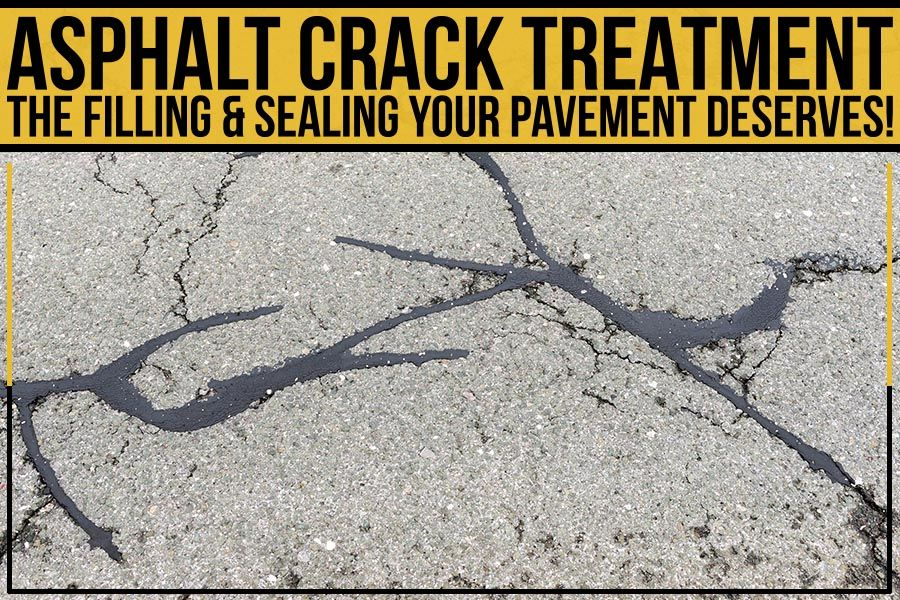
Asphalt is one of the most popular paving materials. It is durable, flexible, and long-lasting. Over time though, asphalt can develop cracks. You must seek immediate professional help to prevent further damage and keep your pavement looking its best. If you think your asphalt driveway is beyond repair, you must think again! Contrary to popular belief, most driveways and parking lots can be saved with a little bit of TLC – namely, filling and sealing the cracks. Let’s look at the details to understand the issue better. Active and Passive Cracks: There are two categories of cracks that commonly form in asphalt: active and passive. Active asphalt cracks are also called live cracks. They expand in length, width, and depth over time. These cracks develop due to external forces, such as heavy vehicles or tree roots. These cracks can be difficult to repair due to their size. The leading cause is overloading and thermal expansion, e.g., cracks due to freeze-thaw. On the other hand, passive cracks are caused by weathering or wear and tear. They tend to be smaller and easier to fix. By filling and sealing these cracks, you can prevent them from becoming active cracks. Common Asphalt Cracks Before we get into crack filling and sealing, let’s look at the most common types of cracks. It will help you better understand what kind of repair your asphalt needs. The three most common types of asphalt cracks are: Alligator Cracking: Also known as spider webbing, alligator cracks are characterized by a network of small cracks that branch out from the main crack. This type of damage is usually caused by poor drainage or too much traffic. Block Cracking: Block cracking looks like a series of large, connected squares. It’s usually caused by shrinkage as the asphalt dries and cures. Linear Cracking: Linear cracks are long, thin cracks that run in a straight line. They can be caused by temperature changes, heavy traffic, tree roots, and poor drainage. Filling and Seal Coating Asphalt Cracks: The best way to prevent damage from asphalt cracks is to fill and seal them as soon as they appear. Filling cracks with a sealant will help stop water from seeping into the crack, which can cause even more damage. Seal coating your pavement will also protect it from the sun’s ultraviolet rays, which can cause fading and cracking. Is the Process Easy? Filling and sealing asphalt cracks is easy and does not require special equipment or training. However, it is essential to choose a suitable sealant for the job. There are many different sealants on the market, so be sure to consult with a professional before purchasing. Does Your Asphalt Pavement Require Maintenance? Regular maintenance of your pavement will extend its life and keep it looking its best. Because of this, we recommend seal coating your pavement every two to three years. It will protect it from the elements and keep it looking new for years to come. Contact your local paving contractor to learn about asphalt crack repair solutions for your home. Summing Up: For over six years at Straight Edge Contractors LLC, we have been repairing and maintaining houses and businesses in El Paso, TX. Our unmatched asphalt crack repair and maintenance services will keep your property looking brand new for a long time. Request a free quote today! Schedule Your Free Estimate!